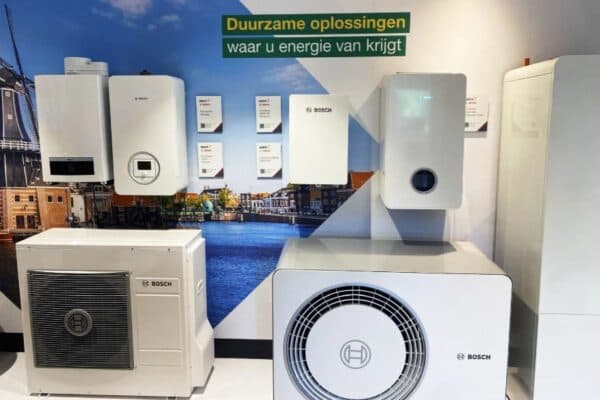
The ISDE subsidy scheme for sustainable heating could adopt stricter conditions for heat pumps from 2027. At the heart of the plans is a requirement that eligible appliances be able to operate in a 'smart' way. In practice, this means a heat pump should respond to external signals so that its energy use can be aligned with the availability and price of electricity.
Where the disagreement lies
The key question is exactly what technical requirements such a smart heat pump must meet. The choice of a communication protocol is proving especially divisive. Without shared agreements on how devices exchange data, it becomes difficult to control models from different manufacturers in a consistent way.
Manufacturers would need to make their products compliant with the new conditions. That calls for clarity in good time, so that design, software and certification are all in order before the revised scheme takes effect.
Why it matters for construction
Clear rules are important for installers and the wider construction sector. Smart heat pumps can help ease pressure on the electricity grid, which is reaching its limits in a growing number of areas. If appliances can shift their demand to times when supply is plentiful, this supports a more stable grid.
- Clear requirements prevent installers from ending up with incompatible systems.
- A shared protocol increases the choices available to end users.
- Timely decisions give manufacturers room to adjust their offerings.
Until decisions are made, it remains uncertain what the tightened conditions will ultimately look like. For the sector, the priority is to keep track of developments so it is ready for the requirements that could apply from 2027.